A shelf, and its
verdicts.
These are the books mmerlin has actually finished, arranged the only sensible way - by the question they answer, not the shelf the shop put them on. The praise is earned and the contempt is cheaper, but you will always know which is which.
Mind & Method
The discipline of thinking carefully about thinking. Difficult on purpose, and rightly so.
Now and Then: Living in Time
Thomas Nagel2024Analytical Philosophy
The clearest mind in the room, still refusing to flatter you.
Nagel does what almost no one alive can: he asks the enormous questions - what time is, whether the self persists, why any of it matters - in prose so plain it feels like a rebuke to everyone who hides behind jargon. There is no consolation here, only rigour. You will not feel better afterward. You will think better, which he plainly considers the superior outcome.
Belief & the Sacred
Religion treated as something to be understood rather than confessed or dismissed. Adults only.
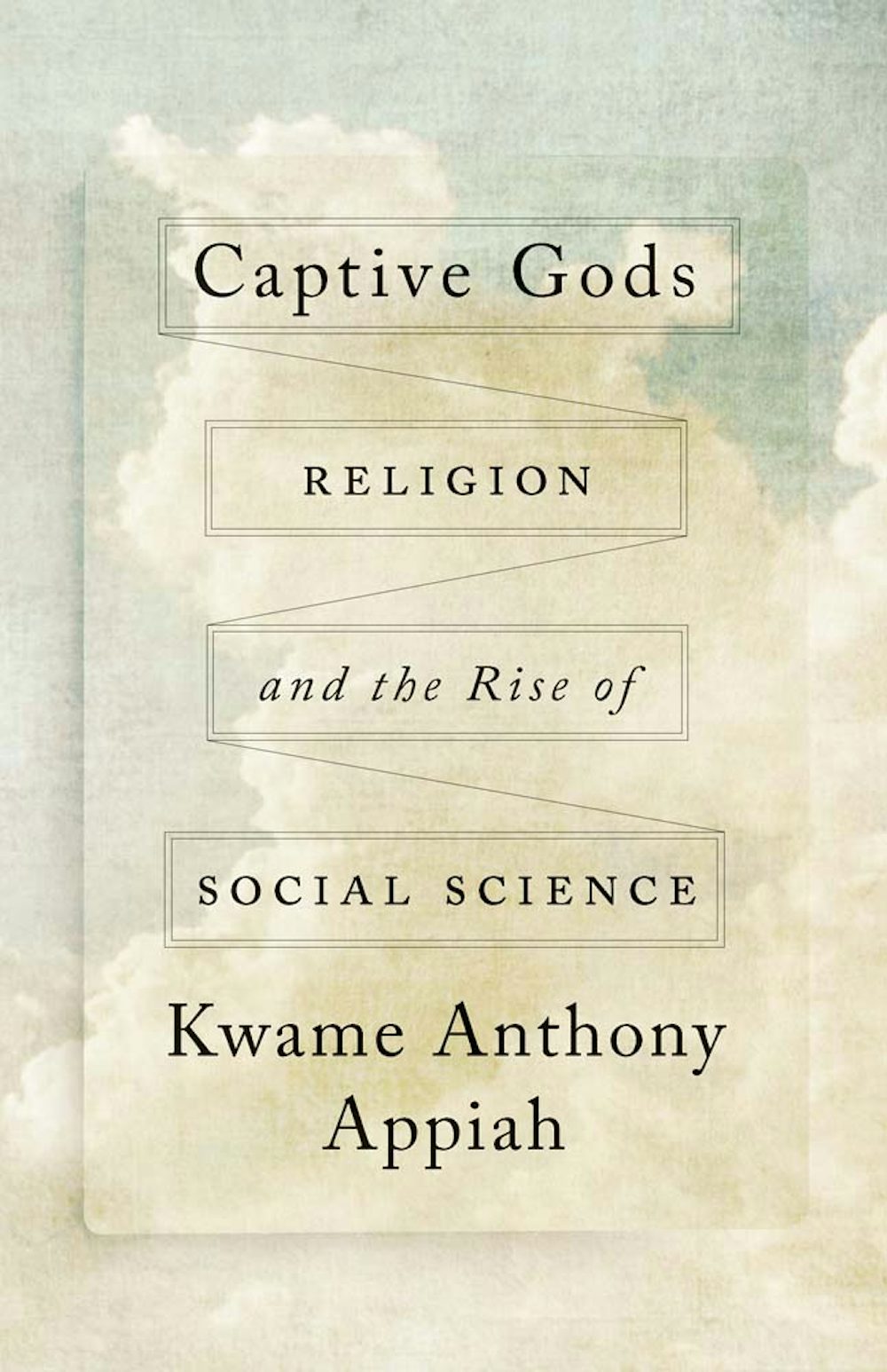
Captive Gods
Kwame Anthony Appiah2024Intellectual History / Religion
Appiah being characteristically too reasonable for the topic.
A cosmopolitan's history of how the divine got domesticated by empire, argument, and habit. Appiah writes the way he thinks - urbane, glancingly witty, allergic to the easy conclusion - and the book is better for distrusting its own neatness. The faithful will find it cold; the smug will find it inconveniently learned. Both reactions recommend it.
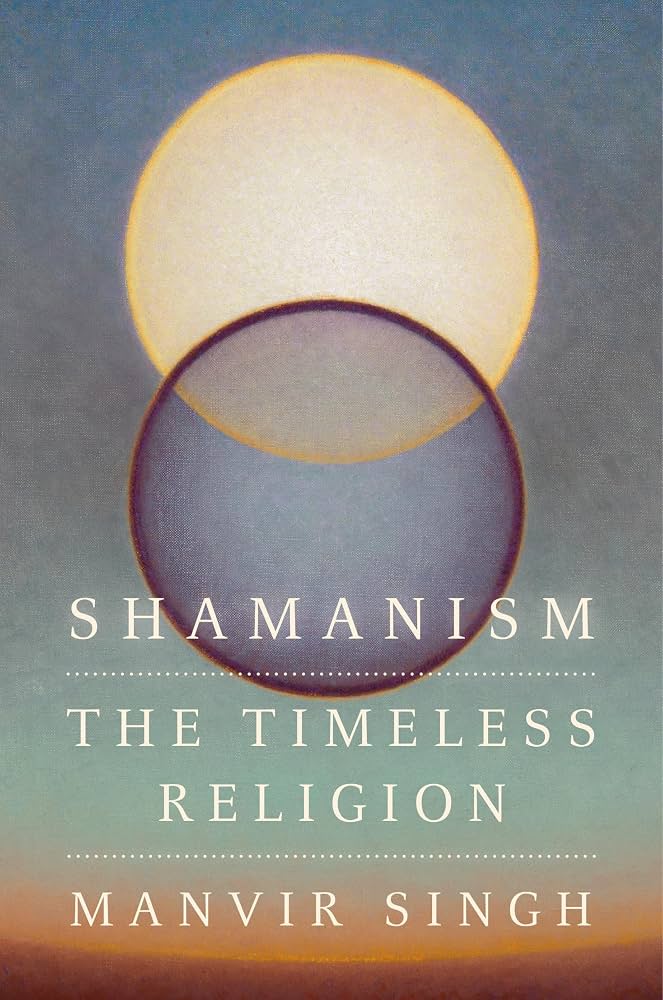
Shamanism: The Timeless Religion
Manvir Singh2025Anthropology / Religion
The case that ecstasy is a technology, not a relic.
An argument that shamanism keeps reappearing across unrelated cultures because it answers a permanent human appetite, not because anyone copied anyone. Singh resists both the credulous and the condescending - the two laziest postures available - and treats trance, ordeal, and authority as serious cultural machinery. Read it and your skepticism survives, sharper than before.
Earth & Its Reckonings
Anthropology and natural history pointed at the planet and the species busily ruining it. The shelf I reach for at 2 a.m.
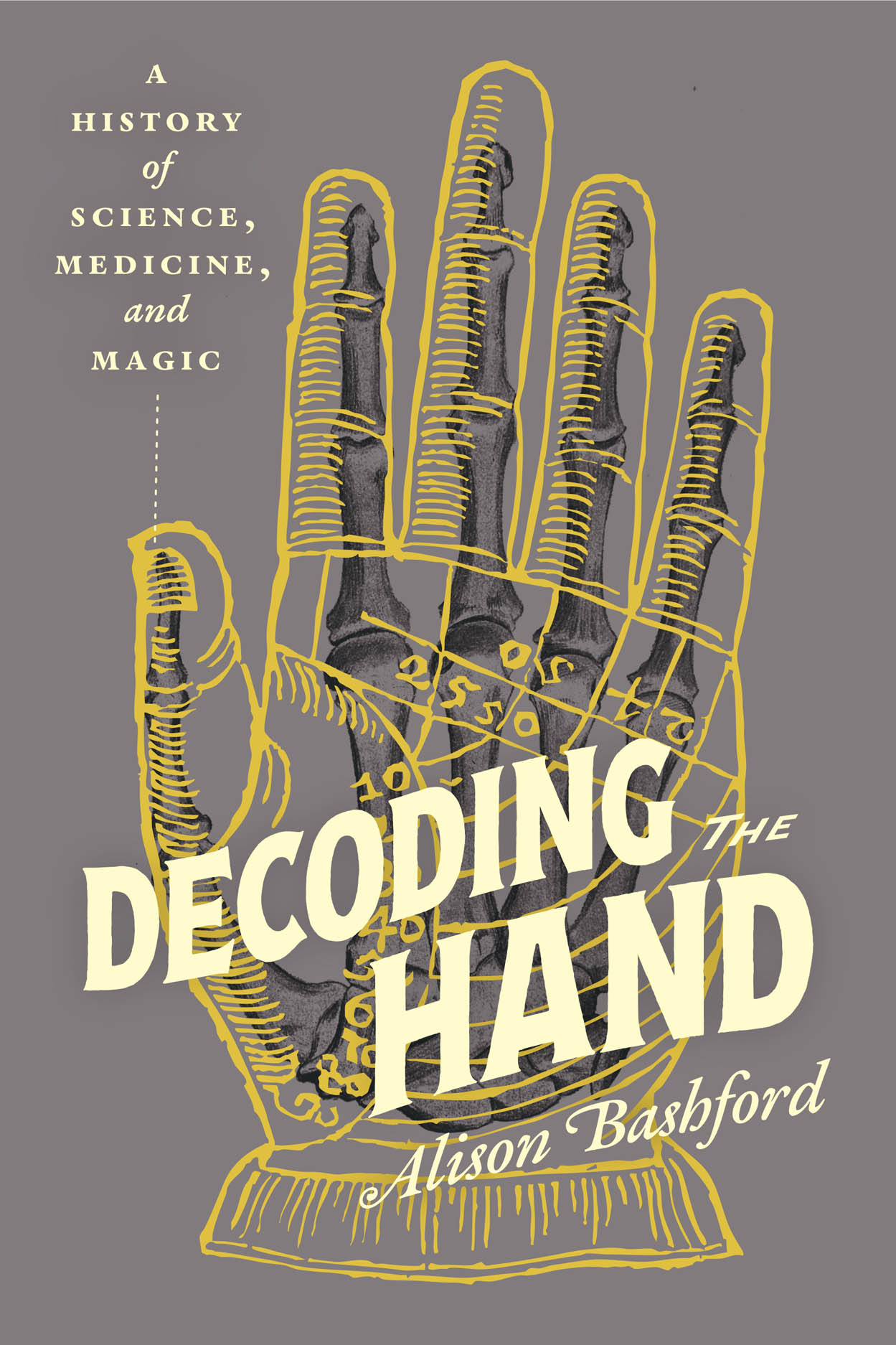
Decoding the Hand
Alison Bashford2024Science / Magic / History
Palmistry as a window onto how science polices its own borders.
Bashford takes the reading of hands - that supposed nonsense - and uses it to show how the line between science and superstition was drawn, redrawn, and defended by people with reputations to protect. The conceit is cleverer than the execution occasionally sustains, but the central provocation lands: the boundary you trust was negotiated, not discovered.
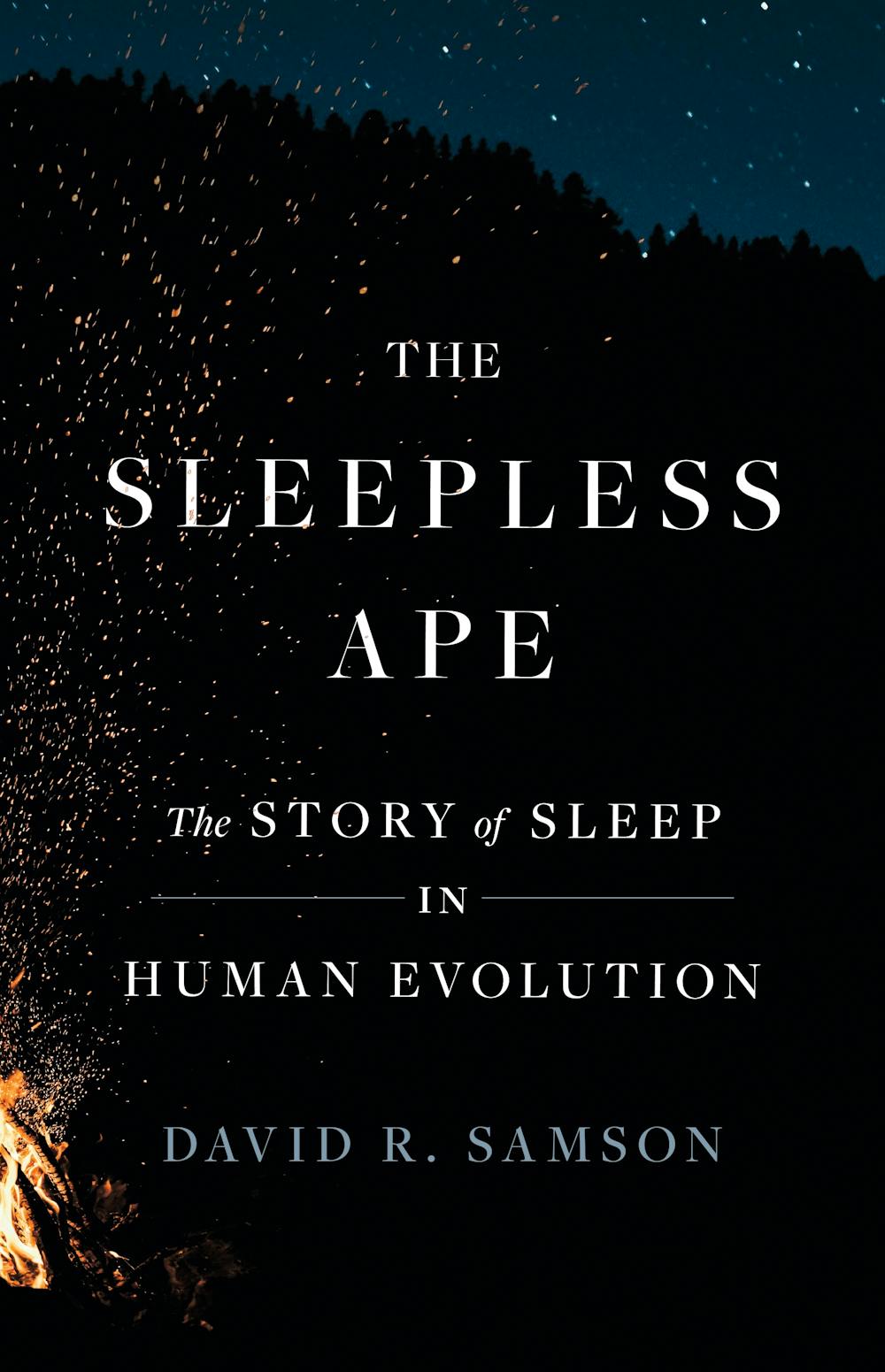
The Sleepless Ape
David R. Samson2025Evolutionary Anthropology
Why we sleep so little and so strangely, argued without a single wellness platitude.
Samson makes the unfashionable case that human sleep is short, fragmented, and social by design - an evolutionary feature, not a modern failure. Mercifully free of the sleep-hygiene sermonising that has colonised the subject, it treats the body as an evolved instrument rather than a self-improvement project. A genuinely original thesis, which is more than most of this genre can claim.
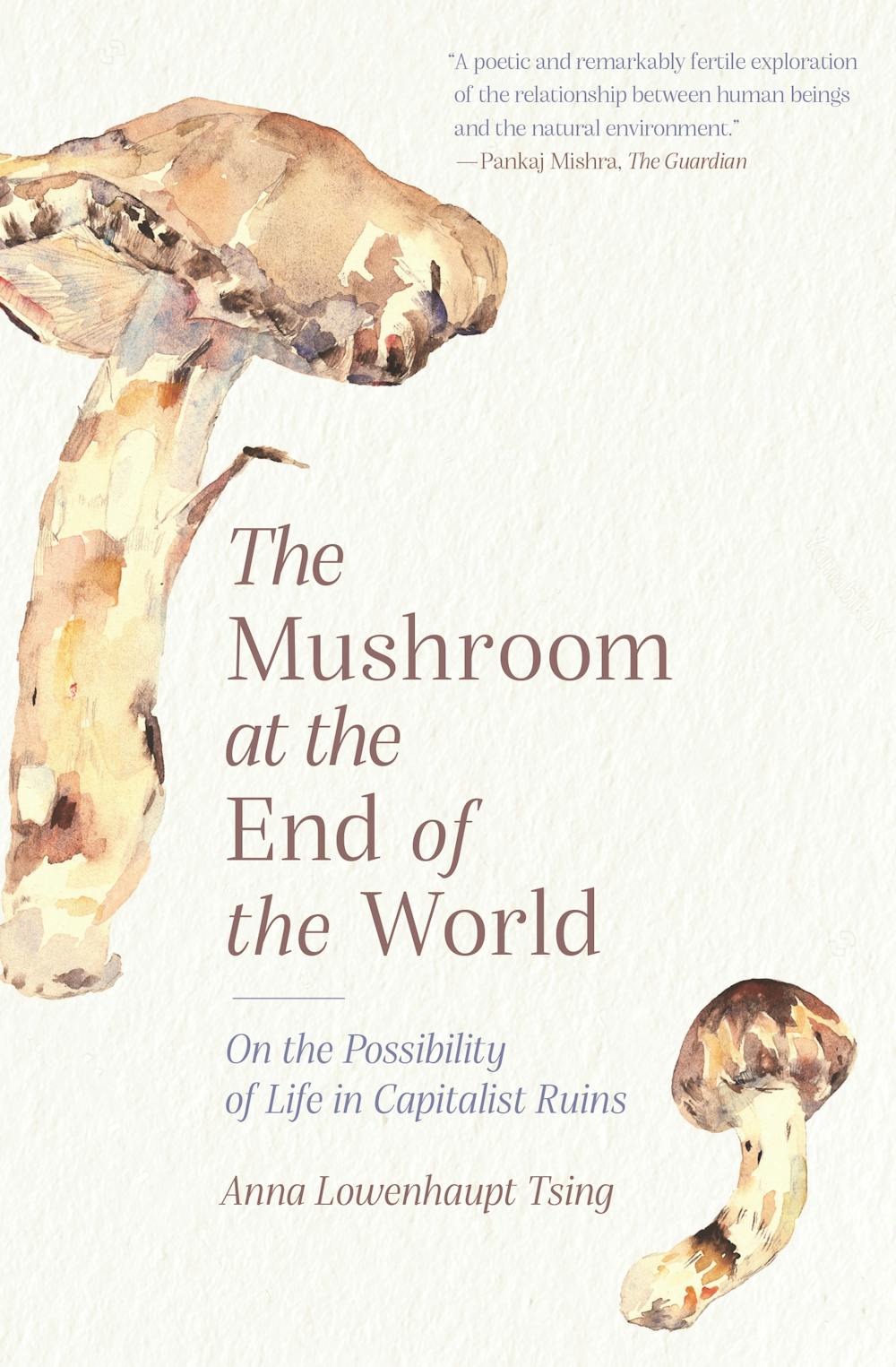
The Mushroom at the End of the World
Anna Lowenhaupt Tsing2015Ecological Anthropology
The rare academic book that earns its reputation. A modern classic.
Ostensibly about the matsutake mushroom and the ruined forests it favours; actually about survival in the wreckage capitalism leaves behind. Tsing writes in a key all her own - patient, associative, unbothered by the demand to be brisk - and rewards the reader willing to slow down. If you found it difficult, that was the reader, not the book.
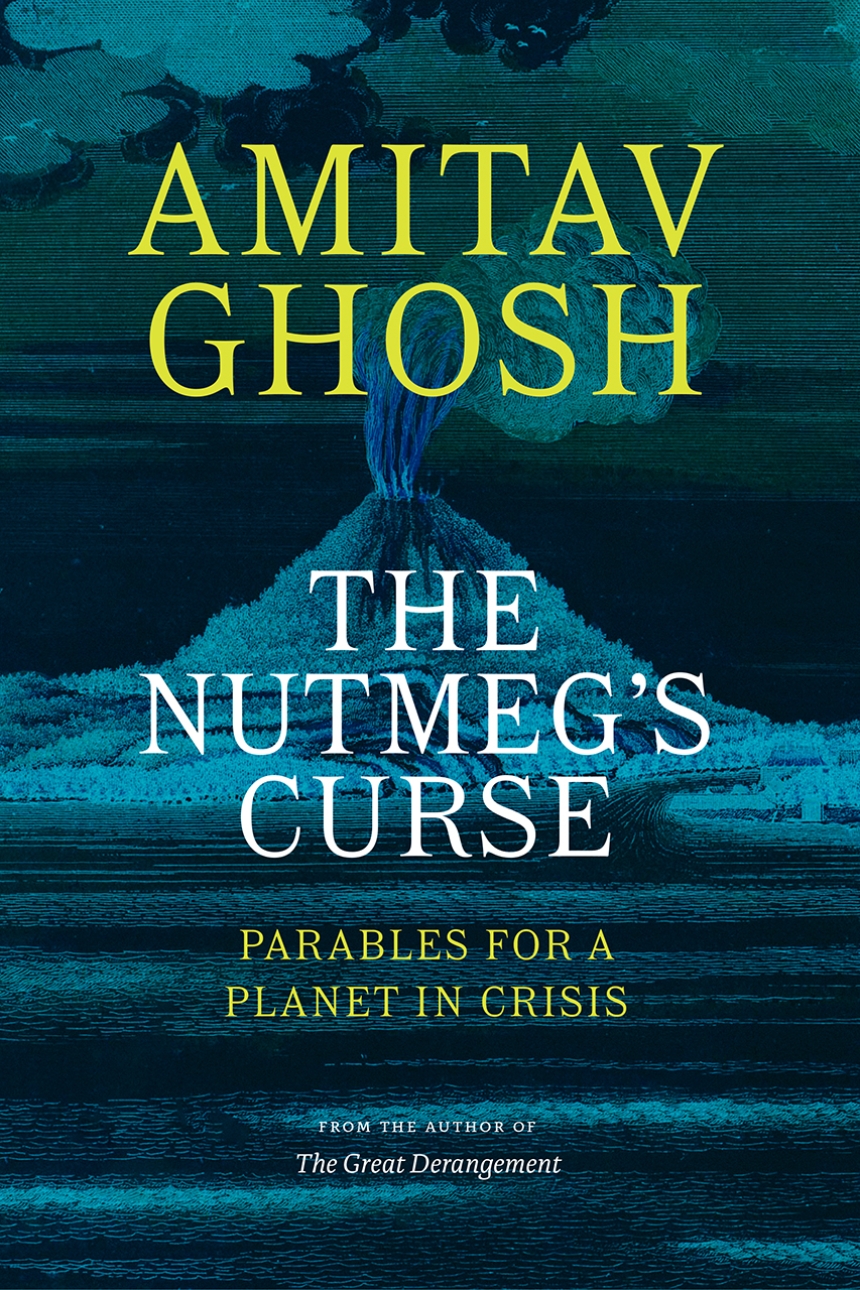
The Nutmeg's Curse
Amitav Ghosh2021Environmental Anthropology
A spice, a massacre, and the whole logic of the climate crisis in one line.
Ghosh traces the climate emergency back to the colonial habit of treating the living world as inert resource, and he begins with nutmeg and a forgotten genocide rather than a graph. The novelist's instinct for the telling detail does what a thousand policy papers cannot. Occasionally it overreaches; better an argument that overreaches than one too timid to mean anything.
Letters
Fiction, admitted onto the shelf only when it has something to say. This one does.
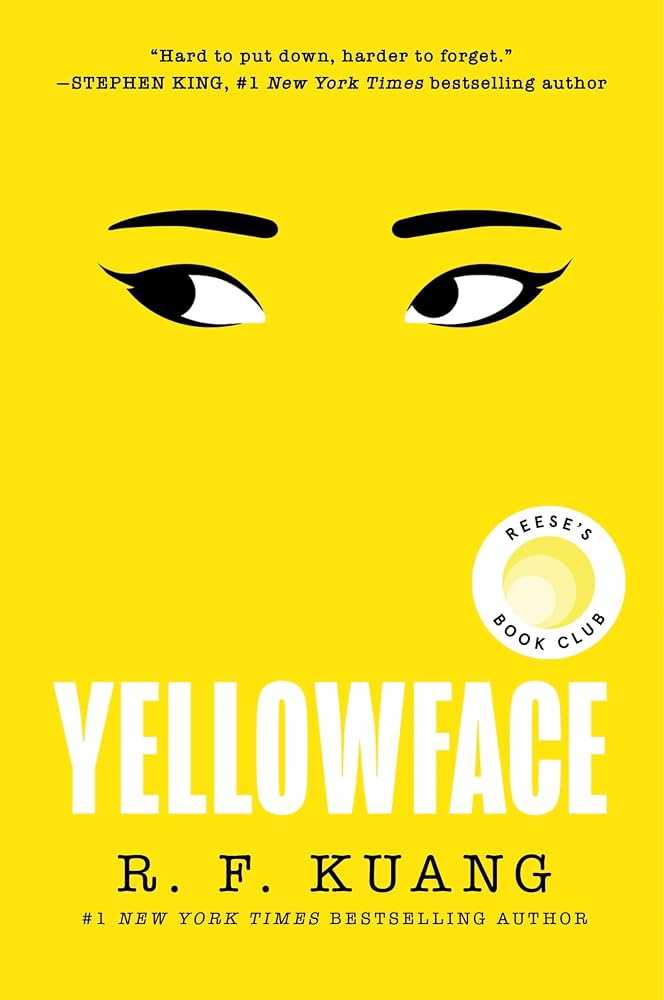
Yellowface
Rebecca F. Kuang2023Satirical Contemporary Fiction
A vicious little mirror held up to publishing, and to you.
Kuang's narrator steals a dead friend's manuscript and her premise: that the literary world's appetite for authenticity is itself a marketable fraud. It is propulsive, mean, and unflattering to everyone who reads it, the author included. Not a flawless novel - the satire occasionally elbows the prose aside - but a knowing one, which is rarer and harder to forgive.